
Snap a photo. Know what your stone is.
Opal ID identifies rocks, minerals, crystals and gemstones from a single photo. In seconds you get the name, an estimated value, its rarity, its properties and where it is found.

For iPhone, iPhone Duo and iPad
- #1Rock and gem identifier
- 98%Identification accuracy
- SecondsFrom photo to answer
From photo to answer in three steps
- 1
Snap or upload a photo
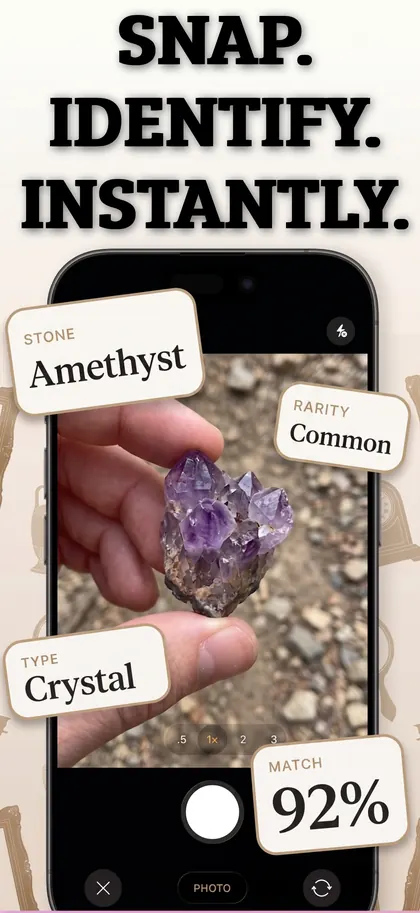
Quick Snap opens the camera straight away, so you can identify a stone on the trail, at the beach or at a gem show. You can also pick a photo you already have.
- 2
Get the full report
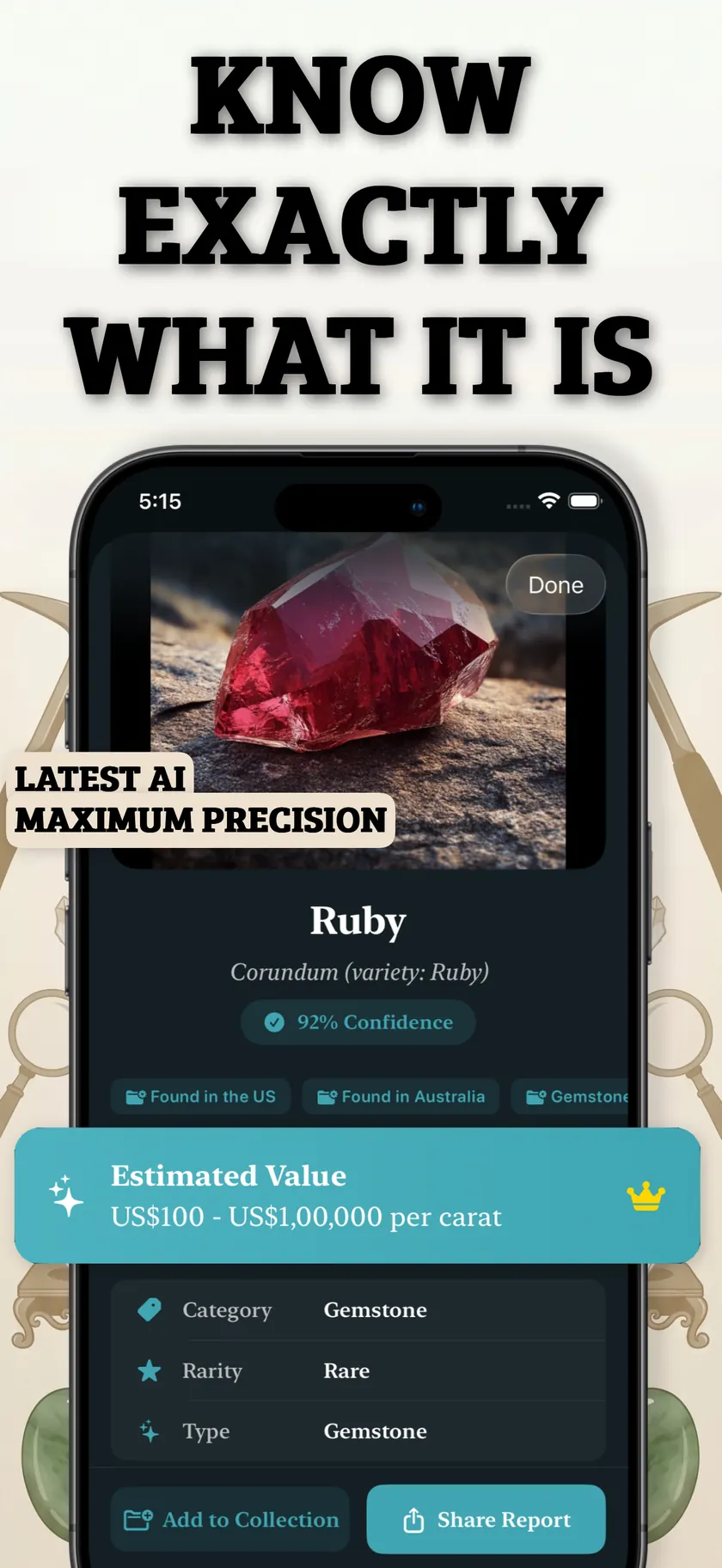
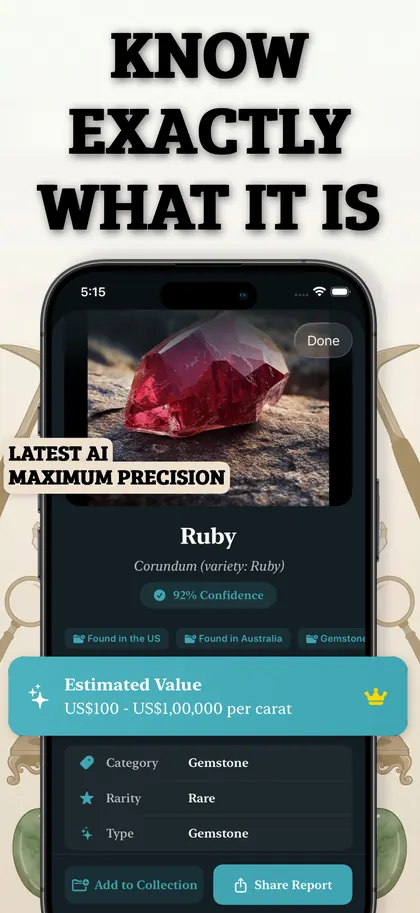
See the name and type, a confidence score, an estimated value range, rarity, hardness, luster, streak and where the stone is found.
- 3
Ask, collect, compare
Ask the AI rock expert anything, save the stone to your collection and watch your collection grow.
Everything you want to know about a stone
Quick Snap mode
The camera opens instantly, so you can identify a find in the field before you move on.
Name and confidence score
The common and scientific name, category and rock type, with a confidence score for each identification.
Estimated value and rarity
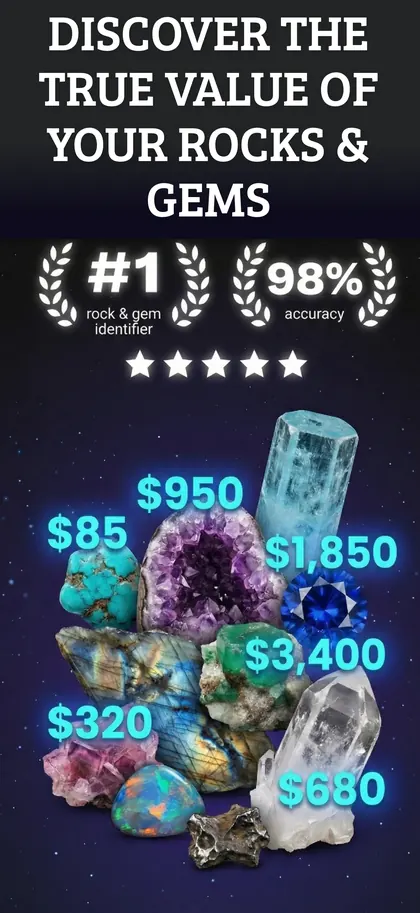
An estimated value range in your currency, a rarity rating, and the quality factors that affect the price.
Physical properties
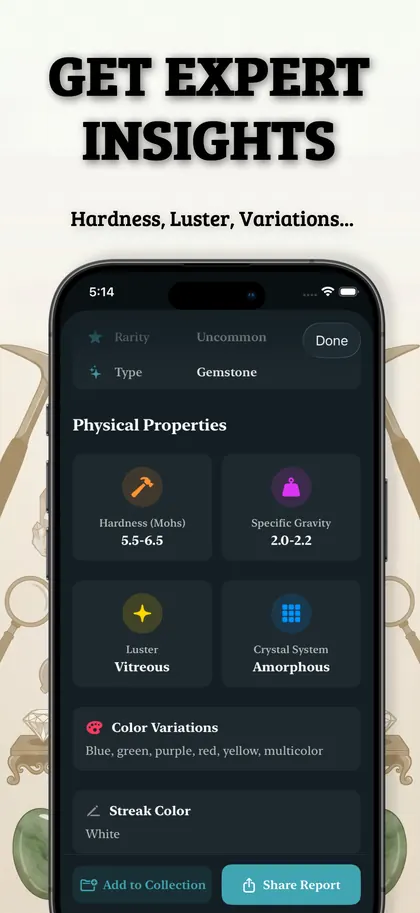
Mohs hardness, specific gravity, luster, crystal system, streak color and color variations.
Where it is found
Where the stone is commonly found, with detailed locations in the United States, Australia and Brazil.
Gemstone or common rock?
Whether a stone is a gemstone or a precious stone, its key identifying features, and similar stones it can be mistaken for.
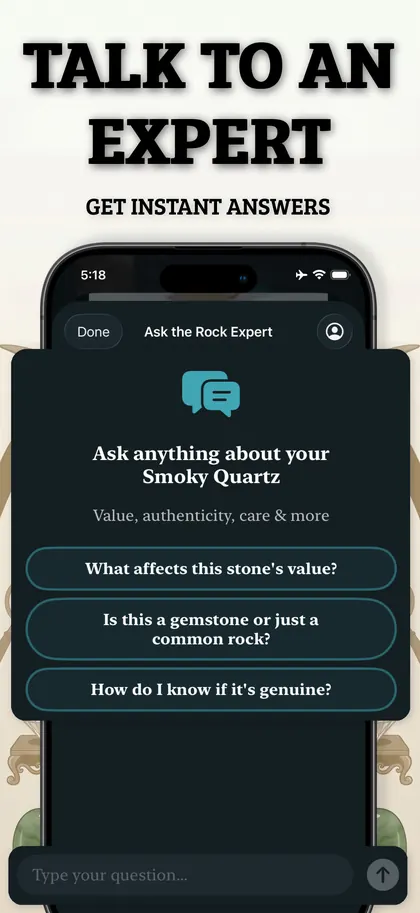
AI rock expert
Ask follow-up questions: what affects the value, how to tell if it is genuine, how to clean and care for it.
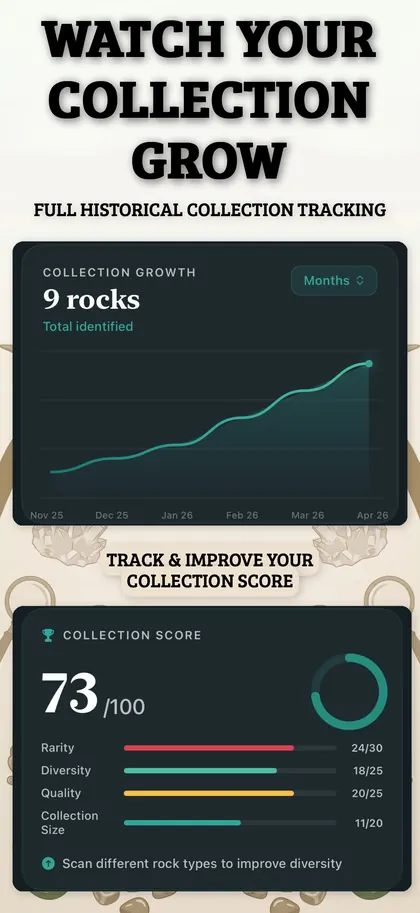
Collection and score
Track every stone you identify, watch your collection grow over time and improve your collection score.
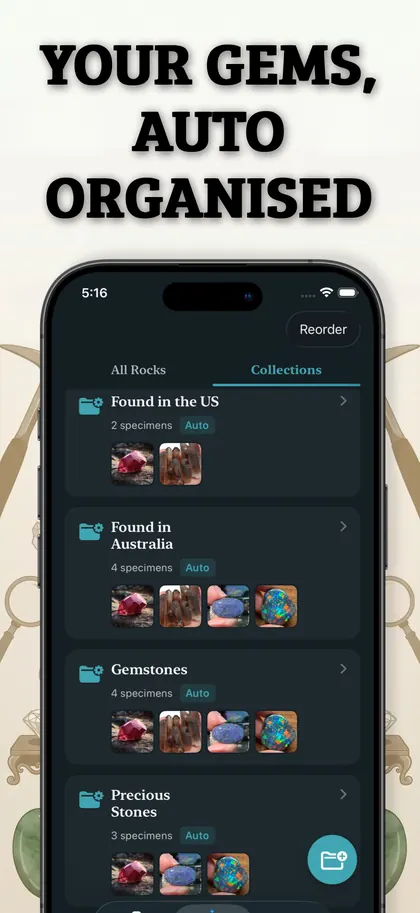
Auto collections
Stones are sorted for you by where they are found and by type, such as Gemstones and Precious stones.
Analytics and exports
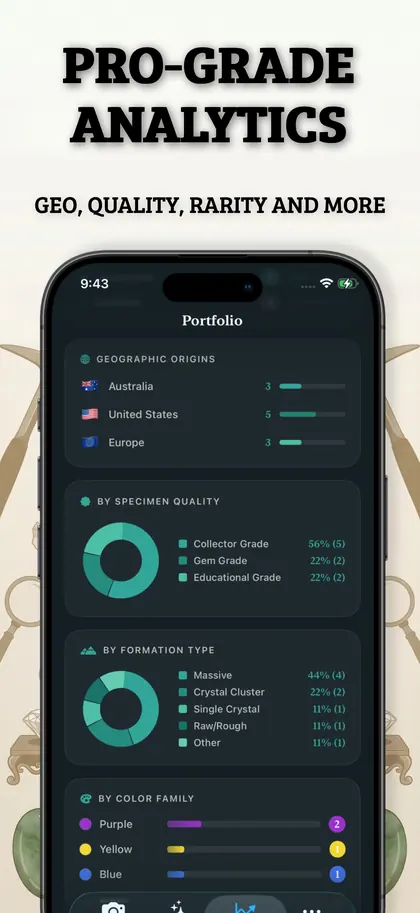
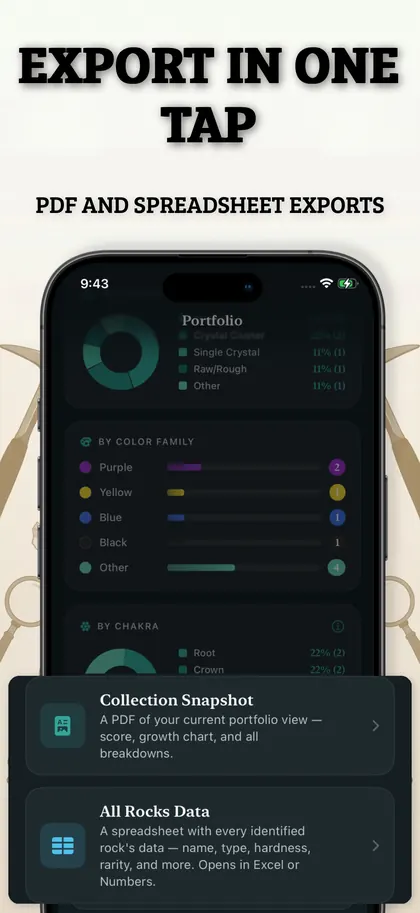
Breakdowns by origin, quality, formation type and color, and one-tap PDF and spreadsheet exports.
Crystal and chakra notes
The chakra traditionally associated with a crystal, for collectors who follow crystal traditions.
No account needed
No sign-up, no email, no phone number. Your identification history stays on your device.
See Opal ID in action
Opal ID works on iPhone, iPhone Duo and iPad. Your identifications stay on your device.
Made for anyone who picks up stones
Rockhounds and fossickers
Name a find on the spot, see where else it is found and log it to your collection.
Crystal collectors
Check what a crystal is, how rare it is, and the chakra it is traditionally linked to.
Gem and jewelry buyers
Know what a stone is and what similar stones look like before you pay for it.
Students, teachers and families
Turn a walk, a beach or a school project into a geology lesson with real properties.
Hikers and beachcombers
Find out what that shiny pebble or strange rock from the trail really is.
Loved by rock and gem lovers
- ★★★★★
Fantastic app
I was able to use the app to get away buying a fake precious stone
App Store review, Australia
- ★★★★★
Cool app
This app is really 🤩 nice and it’s really cool 👍
App Store review, United States
- ★★★★★
Opal id
Excellent
App Store review, Brazil · Translated from Portuguese
What rockhounds are finding
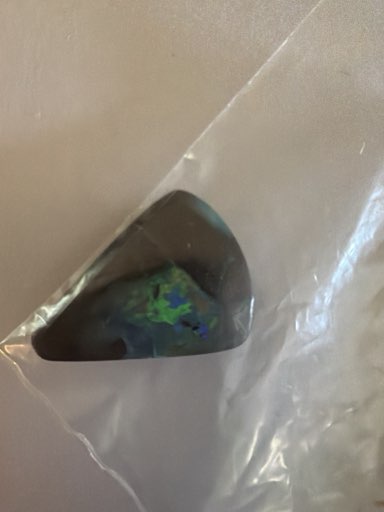
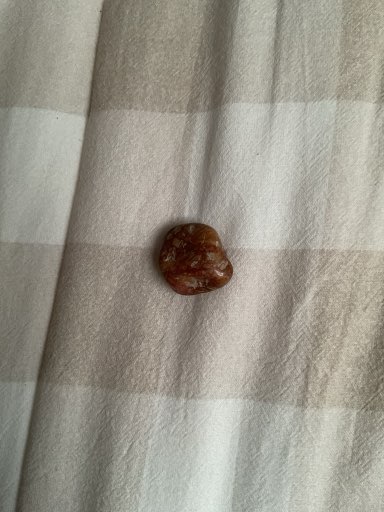
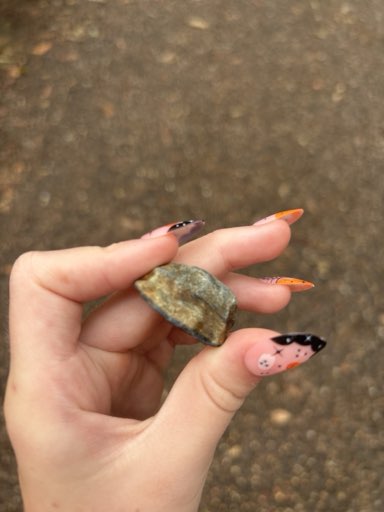
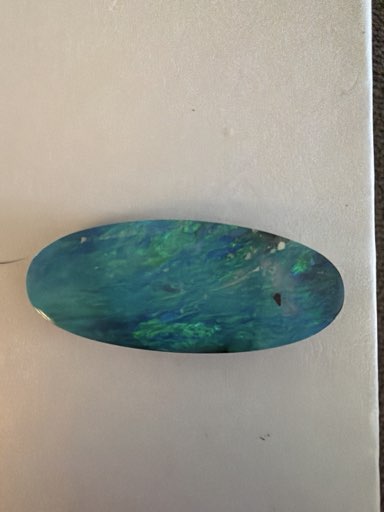
Rocks, crystals and gems identified with Opal ID by collectors around the world, each one reviewed by a person before it appears.
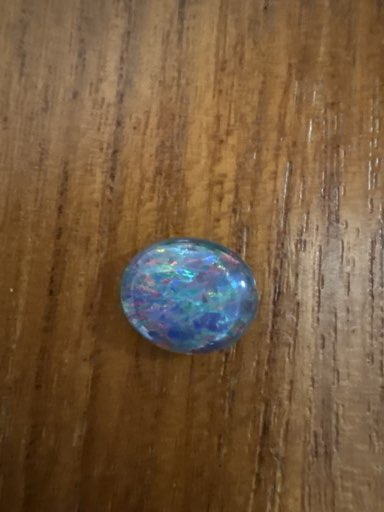
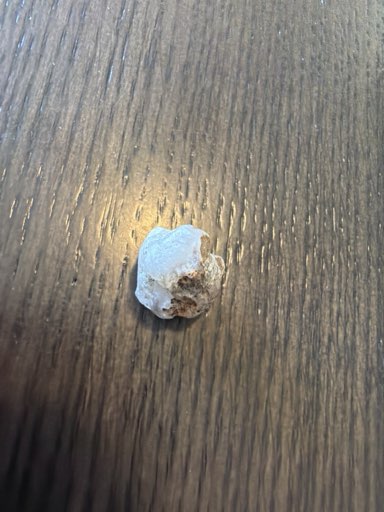
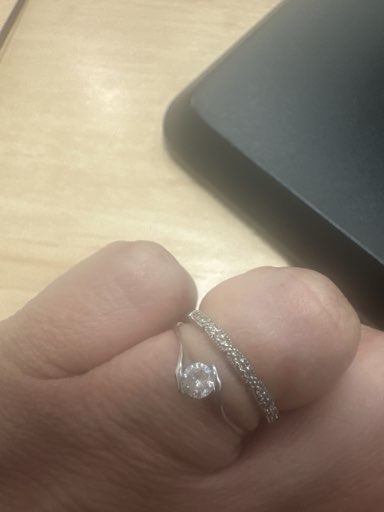
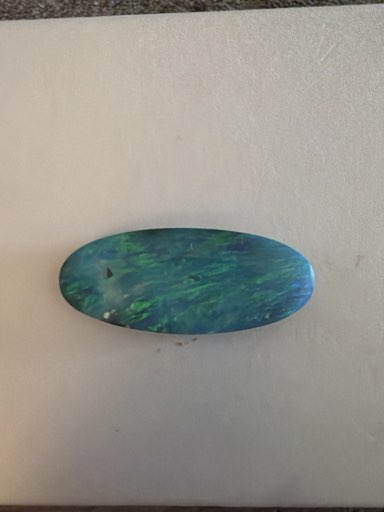
Rock and gemstone guides
Clear answers to what collectors ask most: what is this stone, is it real, and what is it worth.
- How to identify rocks and stones: 7 simple checksRock family, luster, hardness, streak and weight: the checks that tell you what a stone is.
- Gemstone identification chart: color, hardness and densityShortlist a gem by color, then narrow it down with hardness and density.
- Mohs hardness scale: how to do a scratch testThe ten reference minerals, everyday test objects and where common gems sit.
- How to tell if a gemstone is real or fakeSpot glass, compare hardness and weight, and know when to ask a lab.
- What is my rock or gemstone worth?Color, clarity, cut, size, treatment and origin: what sets the price.
- Crystal meanings and chakra chartThe seven chakras, their traditional colors and the crystals paired with them.
- Birthstones by month: the full list and how to tell them apartEvery month’s birthstone, and how to spot lookalikes.
- Gold or pyrite (fool’s gold)? 5 simple testsStreak, hardness and weight tell gold from fool’s gold.
- Geodes: how they form, what is inside and how to find themHollow rocks lined with quartz, amethyst or agate.
- Opal types: black, white, boulder and crystal opal, and where they come fromBlack, white, boulder and crystal opal, and where each comes from.
- Brazilian gemstones: what is found whereTourmaline, aquamarine, topaz, amethyst and agate, state by state.
- How to identify a meteorite: 6 checks before you get excitedFusion crust, magnet and weight: how to check a possible meteorite.
- Where to find gemstones in Brazil: towns, mines and gem fairsTeófilo Otoni, Ouro Preto, Ametista do Sul and more: where to go.
- Fossicking in Australia: where to find sapphires and opal, and the rulesSapphires in Queensland, opal in Coober Pedy, and the rules.
- Rockhounding in the US: where you can collect rocks and the rulesBLM land, national forests, parks: where you can collect rocks.
All guides → · Gemstones and crystals: names, types and how to identify them →
Questions and answers
How do I identify a rock from a photo?
Is Opal ID a free rock identifier?
How accurate is Opal ID?
Can it identify gemstones and crystals too?
How does Opal ID estimate what my stone is worth?
Can Opal ID tell if a gemstone is real or fake?
Does Opal ID show crystal meanings and chakras?
Is there an Android version?
Which devices does Opal ID work on?
Do I need an account?
Does Opal ID work offline?
Which languages does Opal ID support?
Find out what your rocks and gems are